Every restaurant sign in Ouarzazate uses the same words: traditional, authentic, Berber, home made. The words cost nothing. What a traveller needs is a way to tell, before sitting down or at least before ordering, whether the kitchen cooks the food of this valley or a version of it designed for coaches.
Here are the signs worth looking for. None of them is a guarantee on its own. Three or four together usually are.
1. The menu is short
A kitchen that cooks slowly cannot offer thirty dishes. Tagine, couscous, one or two specialities, a few starters, a few desserts: that is what a small team can make properly from fresh produce. A long laminated menu with pizza, paella and twelve tagines usually means a freezer and a microwave somewhere.
2. They ask you to book, or to order ahead
Being asked to choose your main course in advance can feel strange. It is one of the best signs there is. It means the tagine will start cooking for you, not be taken from a pot that has been waiting since lunch.
3. The tagine arrives covered
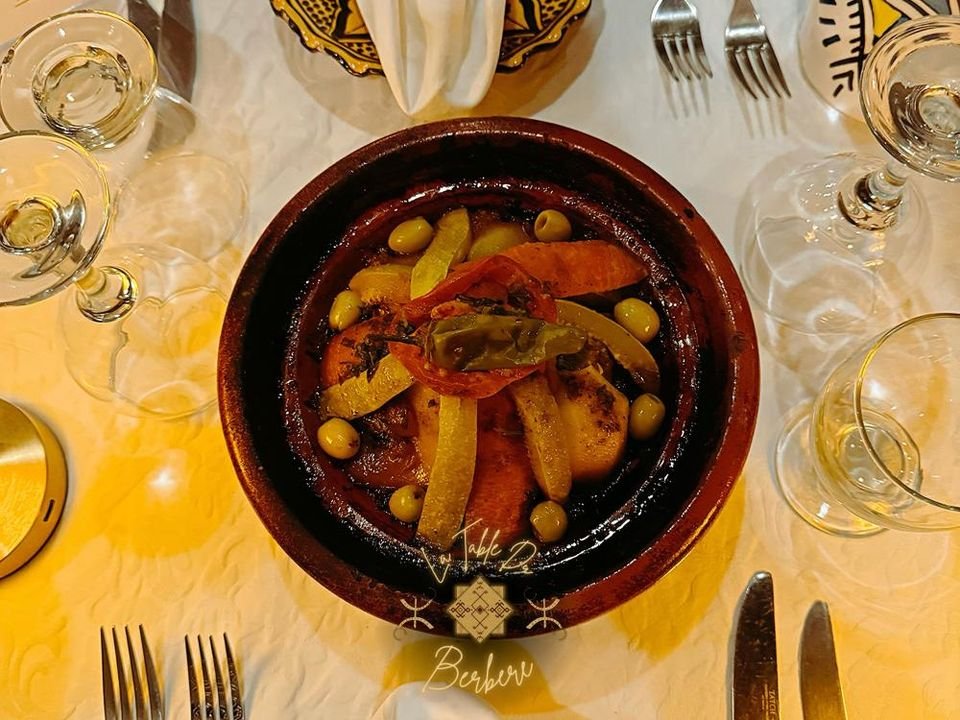
A real tagine comes to the table in its clay dish with the cone still on, and the steam escapes when it is lifted. The sauce is short and thick, the meat comes away with a spoon. A tagine that arrives uncovered, or ten minutes after you ordered, has been reheated. Our article on the tagine explains why the pot matters.
4. You see dishes that tourists rarely ask for
Rfissa, shredded msemen soaked in a chicken and lentil broth, is a dish of births and homecomings in Moroccan families. Few places bother to make it for visitors. The same goes for a proper seven vegetable couscous rolled by hand. When a menu carries one or two of these, the kitchen is cooking from its own tradition rather than from a list of what sells.
5. The vegetables taste of something
In the Ouarzazate valley, many guesthouses grow vegetables in irrigated plots behind the house. Ask where they come from. A kitchen that can answer "from the garden" or "from this morning's market" usually cooks everything else with the same care.
6. Bread and tea are not an afterthought
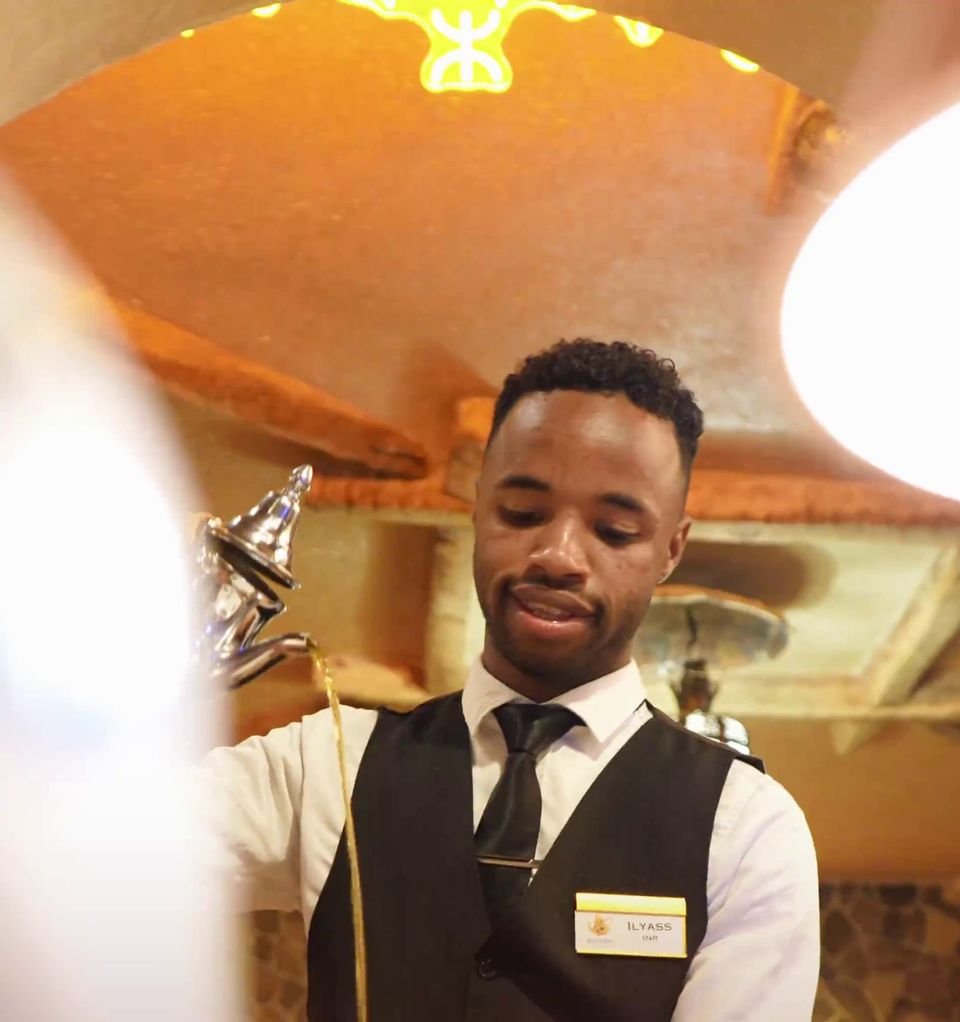
Bread should be fresh and plentiful, because you eat a tagine with it. Mint tea should be made with fresh mint and served without being asked, at the beginning or the end. These are the gestures of hospitality in every Moroccan home, and a restaurant that skips them has stopped thinking about the guest.
7. Nobody rushes you
A table that is cleared before you finish, a bill brought with the dessert: that is the rhythm of a place that needs your seat. In the south, a meal ends with tea, and the tea takes as long as it takes.
A few warning signs
- Photos of every dish on a board outside, with a waiter calling you in.
- "Berber" used for everything, including dishes that have nothing to do with the region.
- A tagine and a couscous both ready within a quarter of an hour of ordering.
- No vegetarian answer other than "we take the meat out".
How we measure up
This journal is ours, so judge the following with that in mind. At La Table du Berbère the carte is short: a few starters, four mains (Berber tagine in five versions, seven vegetable couscous, chicken rfissa, pastilla) and four desserts. Every dish is cooked to order, which is why we ask you to book and choose ahead; the menu takes about an hour and a half to prepare. The vegetables come from the garden behind Riad Chay. You can read the whole menu before you come.
For the dishes themselves and what sets the cooking of the south apart, see traditional Moroccan food in Ouarzazate. For everything else, start with our Ouarzazate food guide.